I've designed, managed and facilitated public, community, school, youth and family programs at the Guggenheim Museum where I had the opportunity to experiment with several arts education techniques. Below is an art-thinking exercise, following Luis Camnitzer’s art education philosophy.
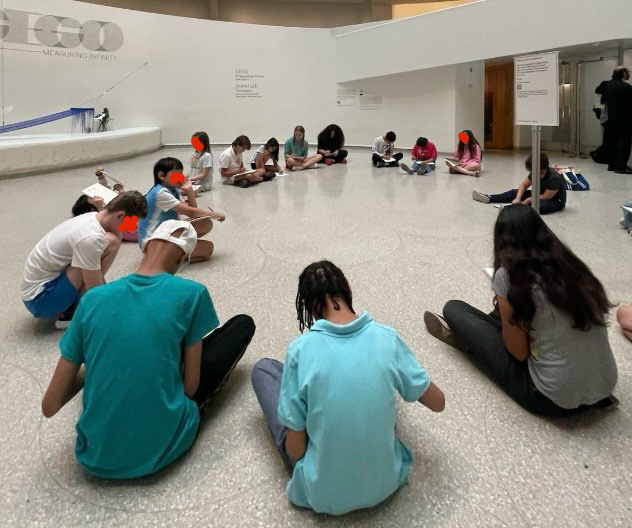
Middle School Camp
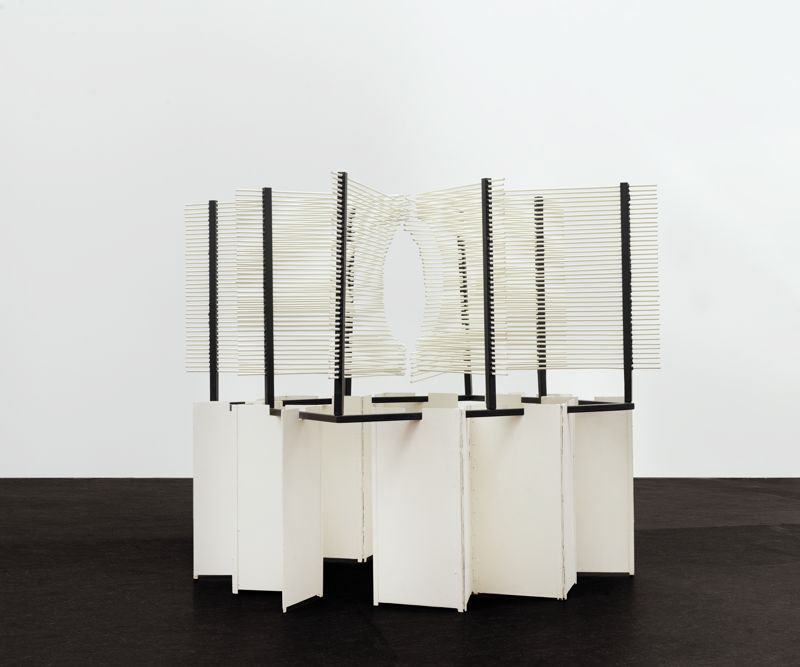
Gego’s Sphere in Hexahedron: Holding a Space of Perspective
Drawing inspiration from Gego's work at the 'Spatial Relations' Seminar, I designed the following exercises:
Objective:
Objective:
To practice comfort with ambiguity and dialogic reflection by engaging with a complex question and viewing it through the metaphor of Gego’s sculpture.
What We Did:
We gathered in a circle at the rotunda, read a brief paragraph on the negative impact of deforestation around the world, and posed a deceptively simple question:
“Should we stop deforestation?”
“Should we stop deforestation?”
Through group discussion, we acknowledged our modern day-to-day needs, the implication of material alternatives, unpacked its complexities, and in doing so, acknowledged our perspectives and blinds spots.
We then moved to Gego’s Sphere in Hexahedron, where students formed a circle around the work and discussed the artistic and conceptual meaning of “perspectives.”
Finally, we revisited the initial conversation through the lens of the artwork, a structure that, like our dialogue, is built of a number of perspective lines that converge in a circle, made of space, holding unresolved convergences.
Connection to the architecture:
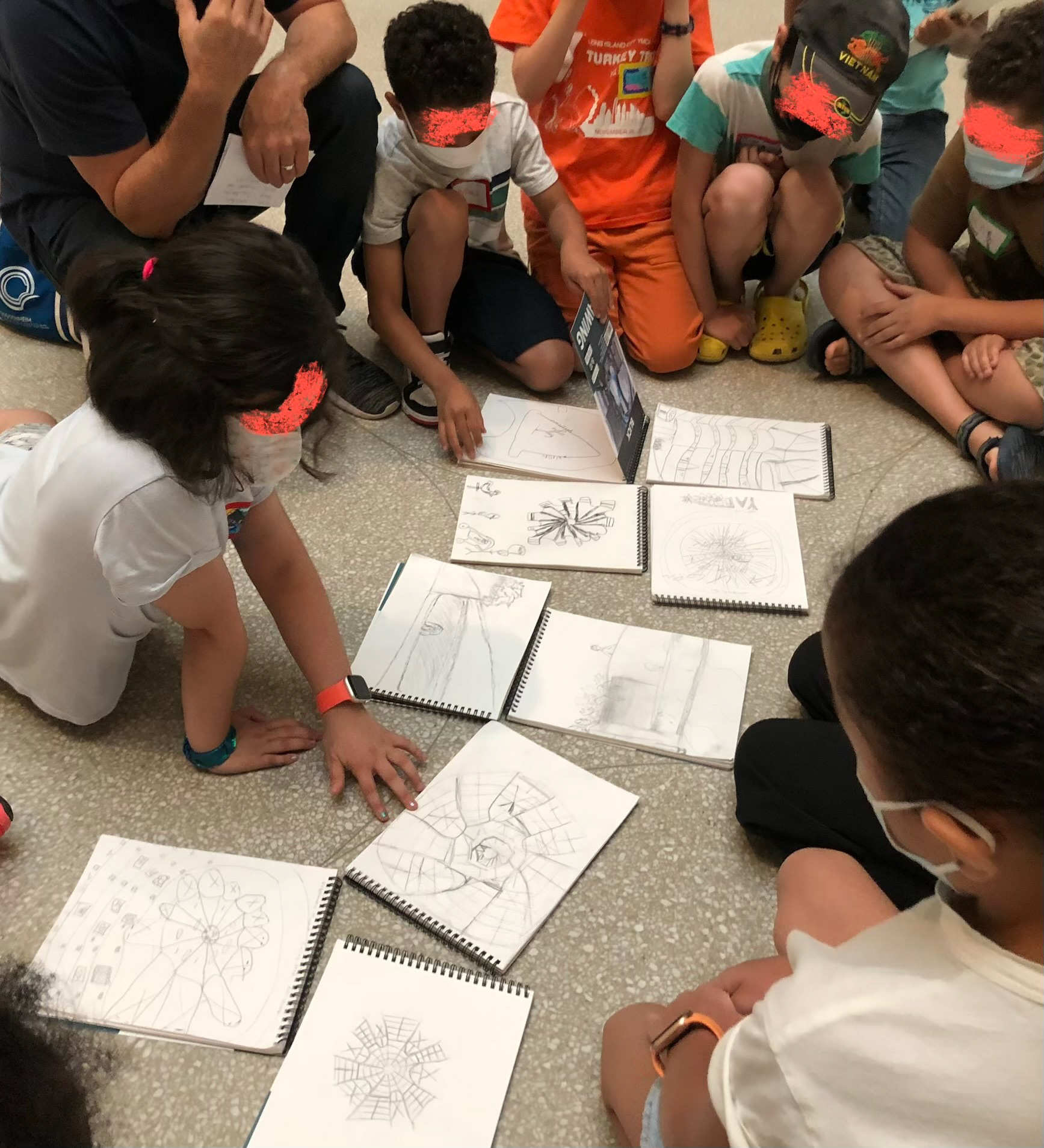
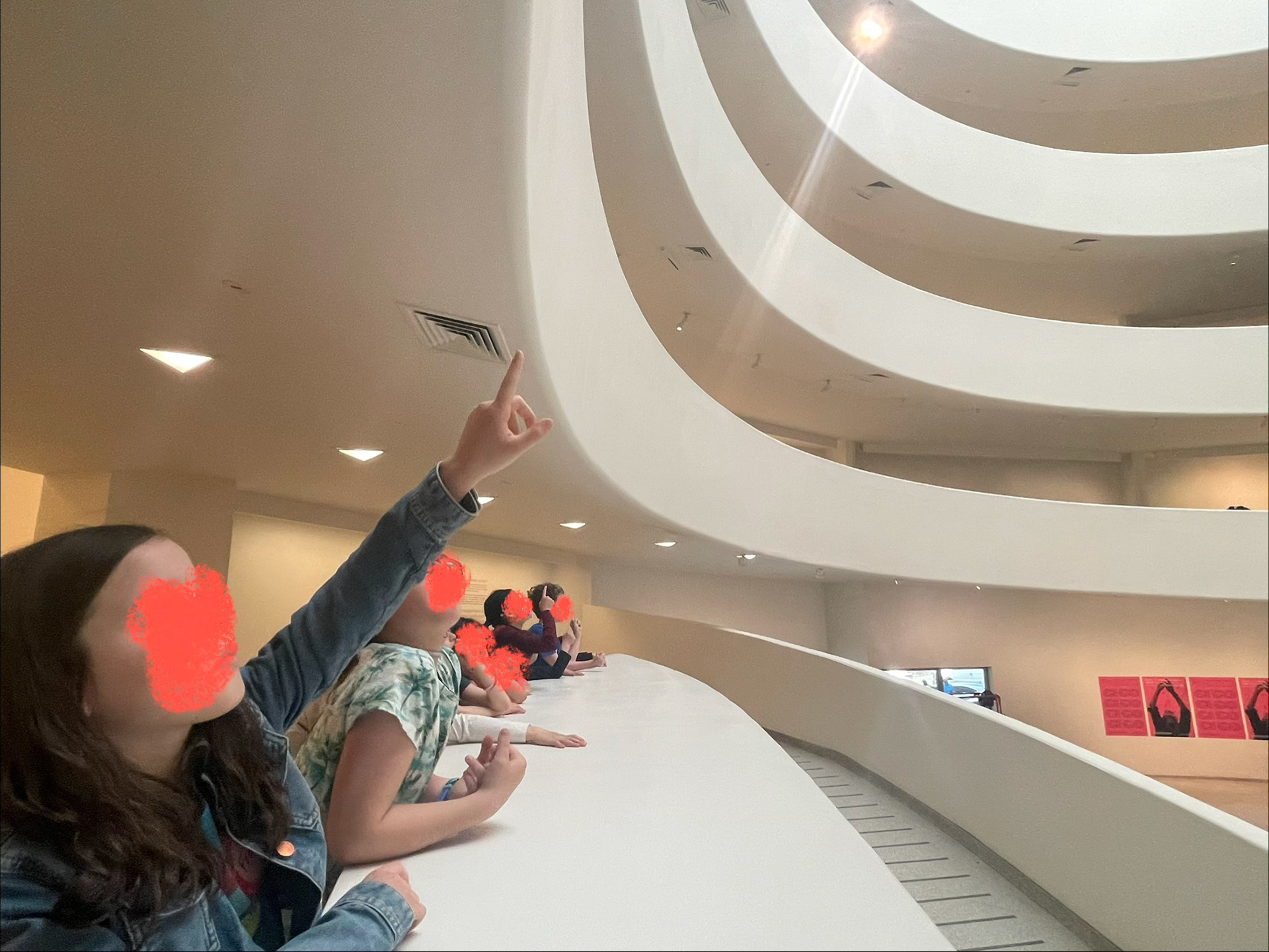
After, we showed students examples of perspective drawings. Then, I pointed them upward and asked them to walk the spiral down, using their eyes or their finger. Then, I ask them to draw that line, drawn as a spiral inside out and use it as the base to complete the rest of their drawing.
I mentioned this perspective is call worms-eye view, asked why, and all sorts of answers. I also bring a snail, like many Guggenheim educators to make additional connections. Of importance is asking how does this perspective make you feel? as this is the architectural exploration component.
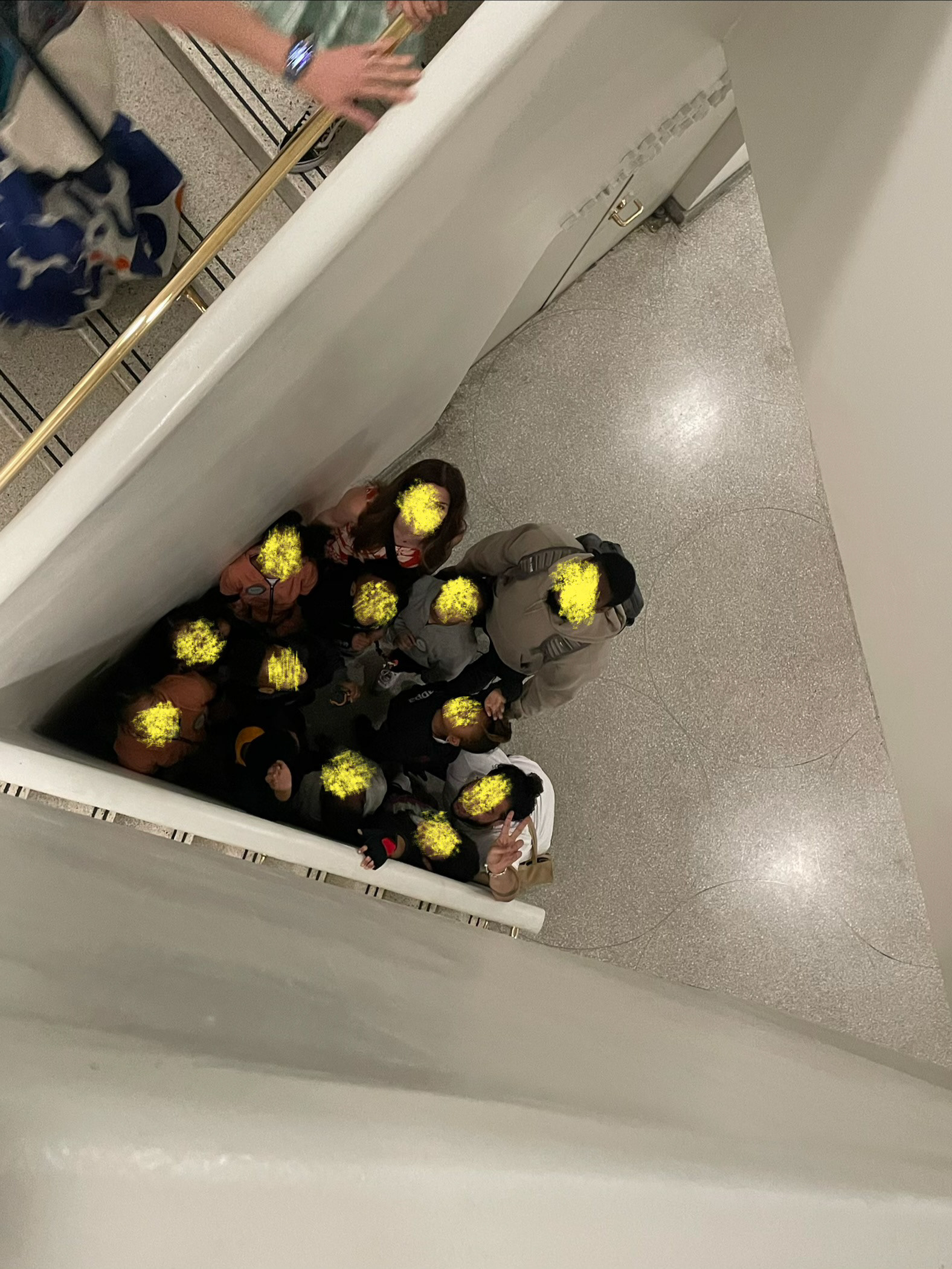
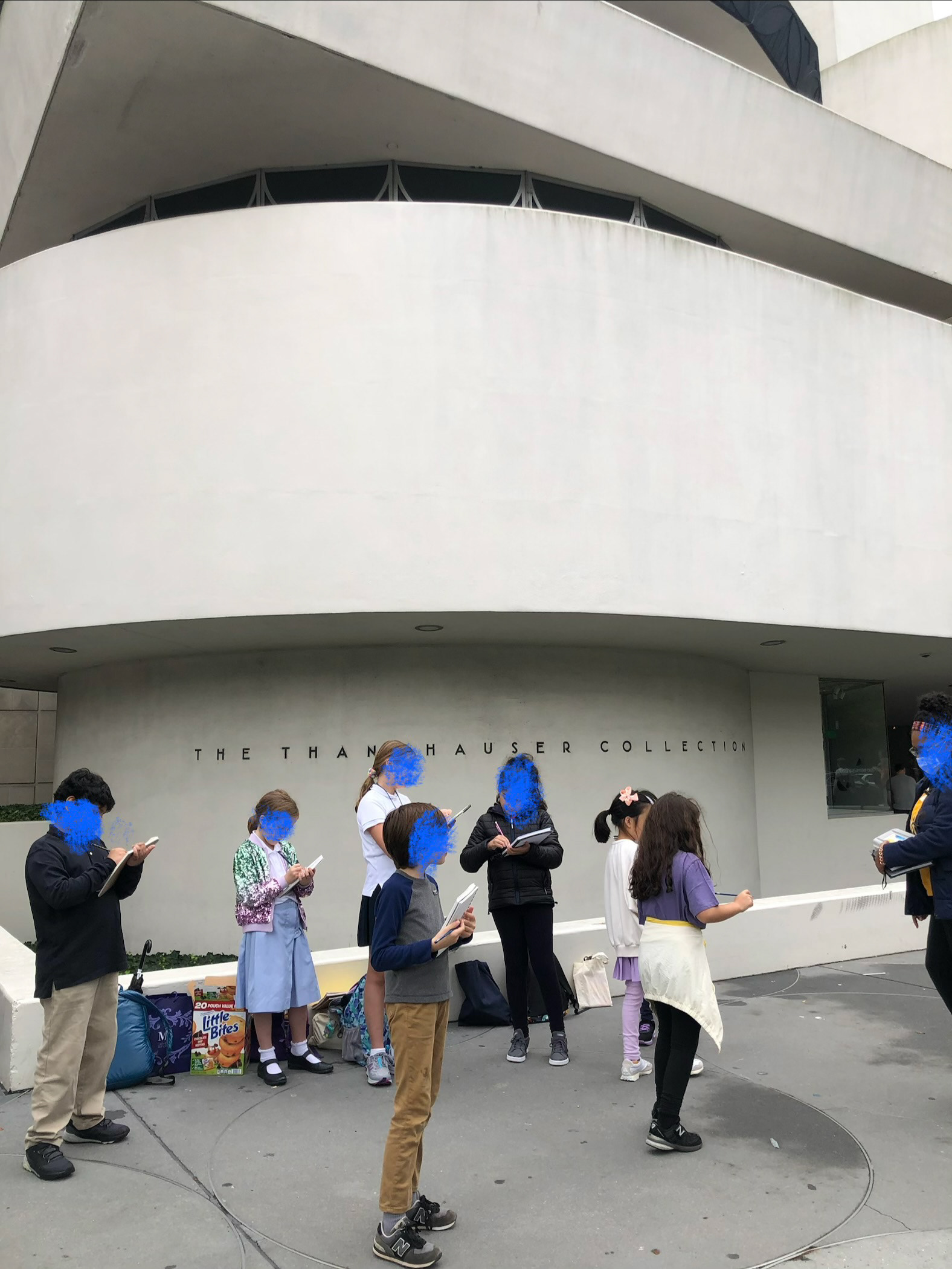
Images below are from a separate day, where my colleague Jeff led the tour. Having folks draw the Guggenheim from that perspective is a standard, introductory activity.
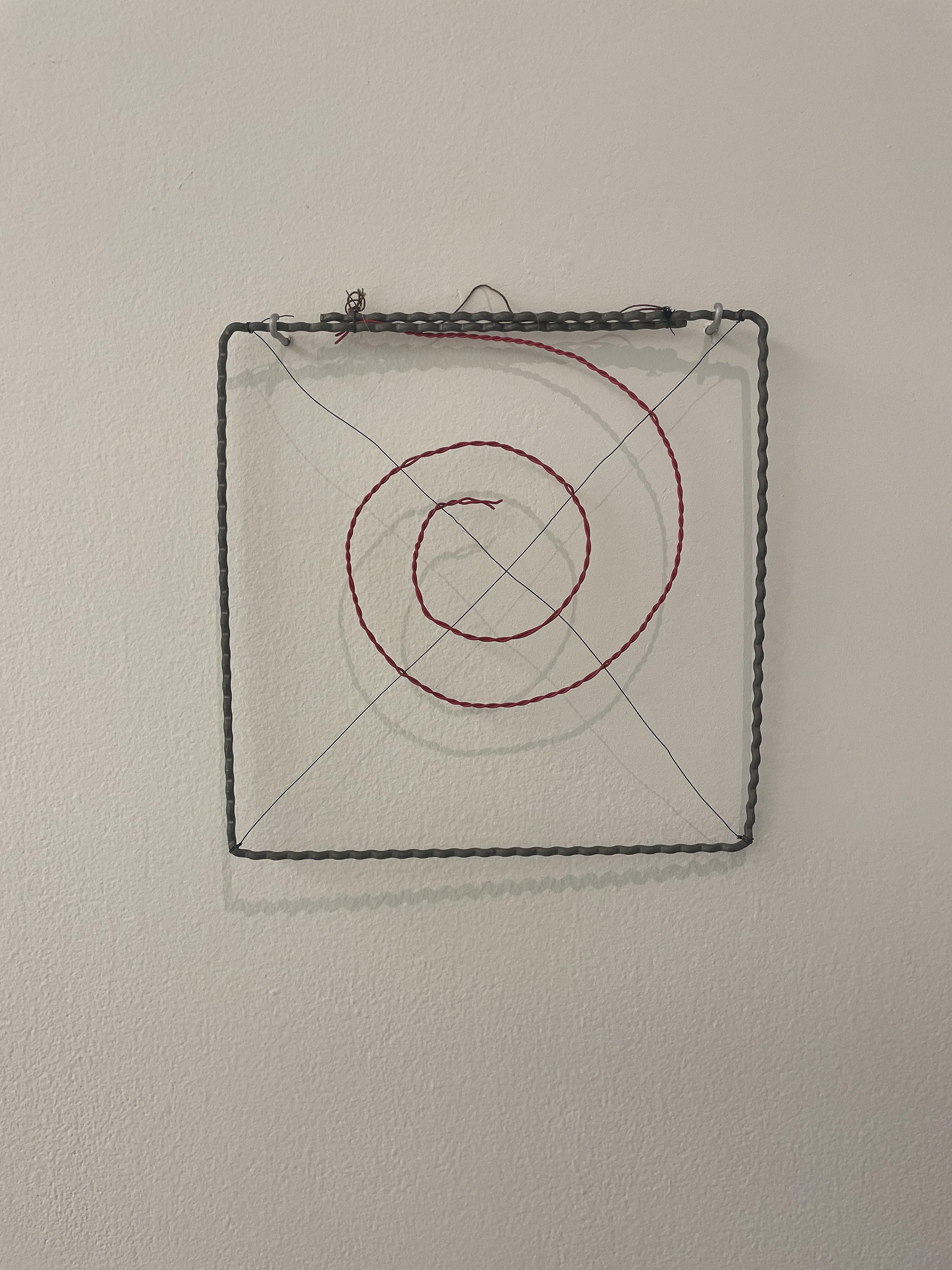
Gego "Drawing without paper"
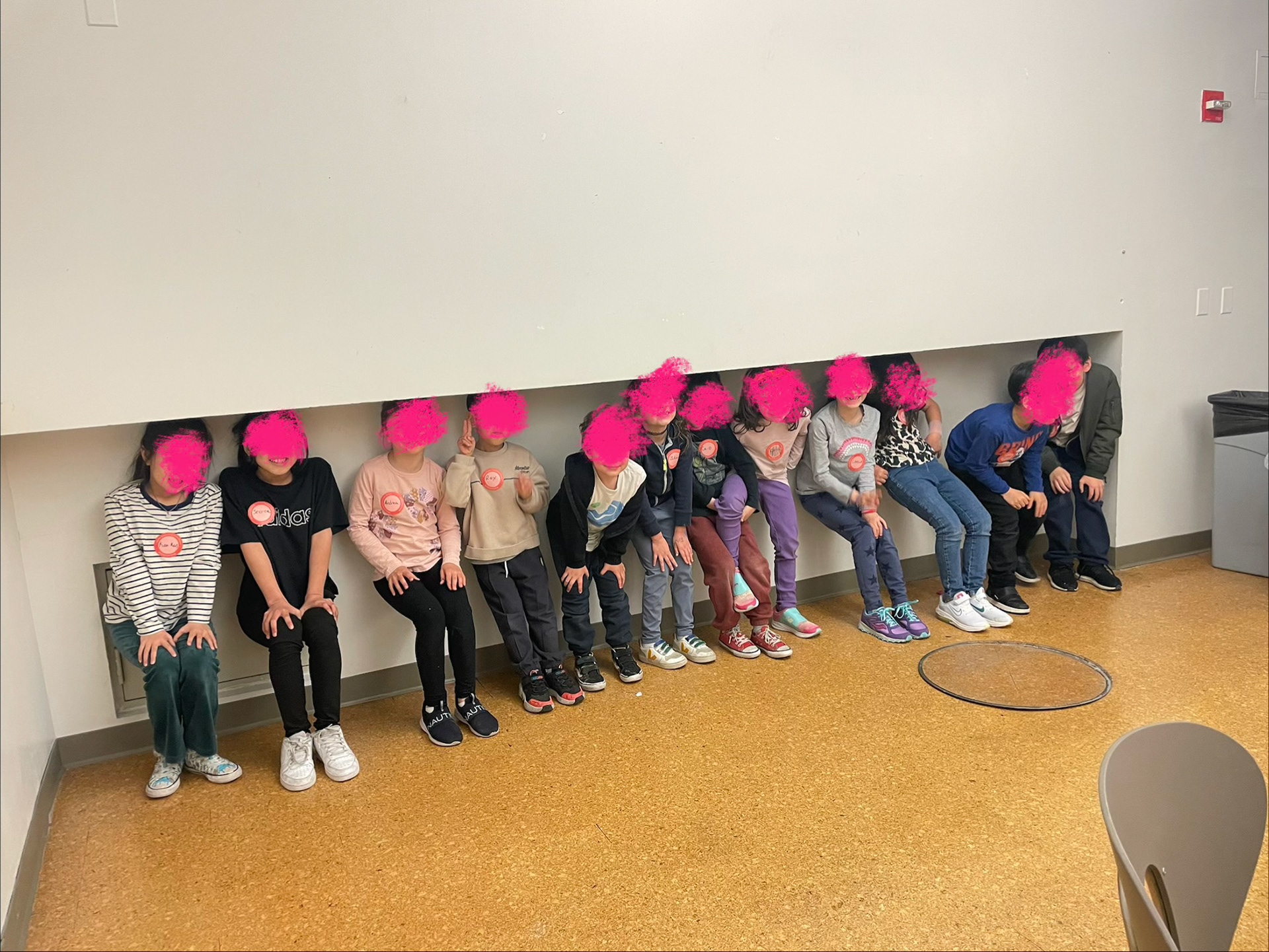
Propioception and play
As a movement artist focused on space, developing propioception through play at the Guggenheim is a joy as each geometrical form allows, or nuke allows for different explorations and understanding of architecture, art, and design through geometry and how that shapes the way we experience the natural world.
Thanks to arts educator Rachel Thompson, Laura Luis Bacchus, Maria Gonzalez & Emily Rivlin Nadler for their professional development training as a museum educator.